

Toyota Dashboard Warning Lights Guide
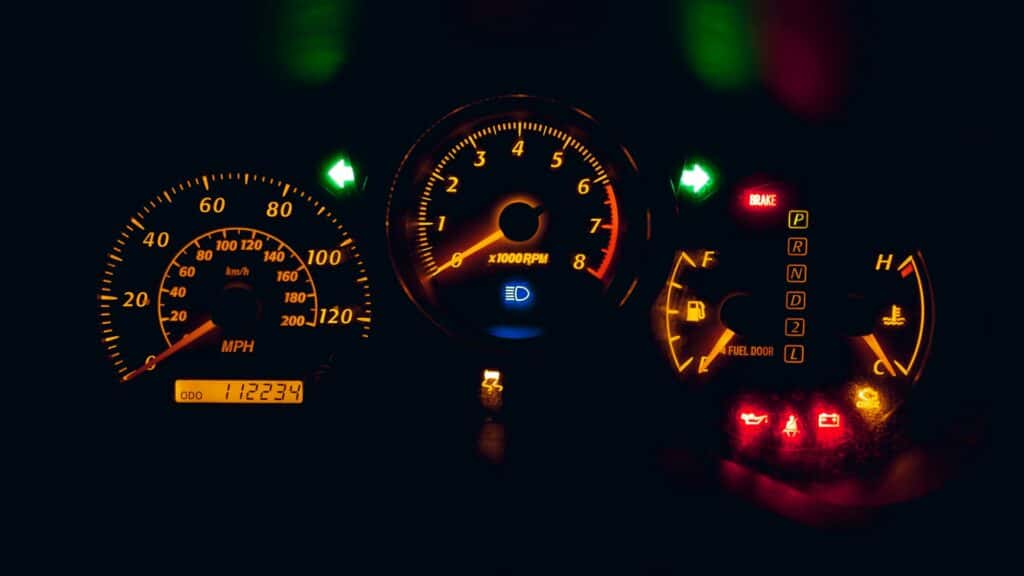
black and yellow analog speedometer by Alex McCarthy is licensed with Unsplash License
Your Toyota’s dashboard signals to you through color-coded indicators about everything from minor upkeep to major safety concerns. Knowing what these symbols mean can save you money, prevent breakdowns, and protect you and your family while you’re driving around Tyler. Our team at Classic Toyota hopes this guide will help you understand your car’s messages and know when it’s time to act.
Understanding Your Toyota’s Dashboard Warning Symbols and Meanings
Today’s Toyotas include over twenty computer modules working nonstop to monitor different aspects of your car’s health. This explains why cars such as the Prius can tell you so much about potential issues through dashboard lights. The 2025 Camry and other new models use colors to show the urgency of each alert.
Toyota built its warning lights around a traffic light system:
- Red warns you to pull over for major events, such as brake failure or overheating.
- Yellow means pay attention, but don’t panic.
- Green or blue usually just means something’s turned on.
The newest dashboards adjust brightness based on the severity of the problem, making issues easier to spot.
Critical Red Toyota Warning Lights That Require Immediate Action
Red lights require prompt attention, as they signal serious issues that might leave you stuck or in danger. When your ABS light glows, your braking system has problems. You can still stop, but you need Toyota service right away. A red battery icon warns you that your charging system is failing, which could leave you stranded. The oil pressure light means dangerously low oil levels. This might flicker during cold East Texas mornings, but if it stays illuminated, you risk damaging your engine.
The thermometer-themed coolant warning means overheating — pull over immediately or risk expensive damage. Your brake warning light shows either major brake problems or an applied parking brake. Power steering alerts need to be checked right away. When the airbag or supplemental restraint system warning lights come on, your safety system may have a potentially life-threatening issue. Even door-ajar lights are important — driving with your doors not fully shut risks your safety on the highway.
Brake warnings rank among the most urgent signals. Red alerts need attention within 10 minutes, with a maximum 3-mile driving distance.
Amber or Yellow Warning Lights: Caution Required
Yellow lights mean be careful — you may not be in immediate danger, but don’t ignore them. The check engine light ranks as the most common amber warning. It could mean something minor, such as a loose gas cap, or something major needing attention soon. When your tire pressure light (a horseshoe with an exclamation mark) appears, check and adjust your tire pressure. If it stays on after fixing the tire pressure, see your Toyota dealer — bad pressure threatens your safety and reduces your mileage.
The Maintenance Required light blinks after about 4,500 miles since your last service — Toyota’s reminder for regular care. The triangle with an exclamation point is the master warning light that covers various issues. Other amber lights include the fuel gauge warning (gas pump icon), a security light that blinks when the anti-theft system is working, and traction control indicators that show system status.
Toyota Safety System 2.0 Warning Lights
Toyota’s safety tech features smart warning light systems. Toyota Safety Sense (TSS) launched in 2015 across 68 countries and initially focused on an innovative precollision warning system and automatic emergency braking.
The newest TSS 3.0 package includes:
- Precollision system
- Dynamic radar cruise control
- Lane departure alert with steering assist
- Lane-tracing assist
- Road sign assist
- Automatic high beams
- Proactive driving assist
Recent advances in sensing technology, computing power, radar and camera equipment, onboard processors, and software capabilities have allowed Toyota to create better protection for drivers, passengers, pedestrians, and cyclists.
Blue and Green Informational Lights
Blue and green dash lights are primarily informational. The blue high-beam light indicates that your brights are on. Cruise control lights change color — yellow when the system’s ready and green when you’ve set your speed. The ECO light pops on during fuel-saving driving, helping you stretch your gas dollars. On some vehicles, multiterrain indicators show your selected driving mode, whether you’re on Tyler streets or East Texas back roads.
Turn signal arrows show which way you’re signaling, while four-wheel-drive lights tell you when the system kicks in, which is good to know on an icy day or a weekend adventure. Fog light symbols let you know when those lights are running, the headlight icon confirms your lights are on, and the gas pump with an arrow showing which side your fuel door is on saves awkward moments at the gas station.
Regular checkups catch small issues before they grow into big ones, often saving you hundreds or thousands on major fixes. Professional diagnostics can also identify problems that affect your gas mileage, such as dirty fuel injectors, faulty sensors, or misfiring spark plugs. Fixing these boosts your long-term fuel savings.
Keep Your Toyota Running Smoothly With Professional Service
When your dashboard lights pop on, don’t wait — delays almost always cost more. For top-notch Toyota service from expert technicians who understand your car’s complex systems, stop by our Classic Toyota dealership, where we’ll help you keep your ride running right for years to come.
0 comment(s) so far on Toyota Dashboard Warning Lights Guide