

How Regenerative Braking Works in Toyota Hybrids
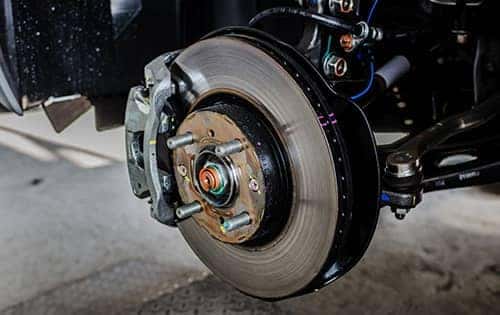 Every time you ease off the gas pedal in a Toyota hybrid, something useful happens behind the scenes. Regenerative braking quietly turns your vehicle’s forward motion into stored energy, and understanding how it works can change the way you drive around Tyler, Texas. Whether you’re navigating stop-and-go traffic downtown or cruising along I-20, this technology works in the background to save fuel and reduce wear on your brakes.
What Is Regenerative Braking in Toyota Hybrids?
Regenerative braking captures energy normally lost as heat during braking and turns it into electricity. It’s built into Toyota’s Hybrid Synergy Drive (HSD) system, which recovers kinetic energy every time you slow down, then stores that energy in the hybrid battery for later use.
HSD combines a gas engine, electric motor, battery, and power-split device into one self-charging system. Toyota hybrids never need to be plugged in because regenerative braking does the charging for you as you drive. That’s a big reason why Toyota hybrids have earned a reputation for dependable, efficient performance across models like the Prius, Camry, and RAV4 Hybrid.
How Regenerative Braking Works: The Science Explained
Understanding regenerative braking gets easier once you look at what happens at the motor level.
Converting Kinetic Energy Into Electricity
When you lift off the accelerator or press the brake pedal, the electric motor reverses its normal function. Instead of using electricity to spin the wheels, the motor-generator, known as MG2 and mounted on the drive shaft, starts acting like a generator. The car’s forward motion spins this component, and that mechanical motion gets converted into electrical current. The resistance created by the generator is what slows the vehicle down. The generator handles this initial slowing on its own, without relying on friction brakes.
Conventional friction brakes simply convert that same kinetic energy into heat and waste it. Regenerative braking captures that energy instead of throwing it away.
Recharging the Hybrid Battery
Once the electricity is generated, it flows through the power control unit and back into the hybrid battery. This recharges the battery without requiring any driver input or plugging in. The amount of energy recovered depends on factors like your speed, how hard you’re decelerating, and the battery’s current state of charge. The more energy you recover on deceleration, the less your gas engine has to work to move the car forward again.
If you’re shopping for a hybrid that puts this technology to work, you can browse our new Toyota hybrid inventory or check out pre-owned hybrid options to see which model fits your driving needs.
How Regenerative Braking Works Alongside Traditional Brakes
Regenerative braking works alongside your regular brakes rather than replacing them, and understanding this partnership helps you feel confident behind the wheel.
Blending Regenerative and Friction Braking Smoothly
In Toyota hybrids, the brake pedal is more of an interface than a direct mechanical lever. When you press it, the system’s first choice is always regenerative braking. The power control unit reads how much stopping force you’re requesting and blends in friction braking only when needed. This blending happens so smoothly that most drivers never notice the handoff between the two systems.
When Traditional Brakes Take Over
Toyota’s systems typically engage conventional brakes between 7 and 17 mph, as well as when you’re coming to a complete stop. Friction brakes also take over during panic stops or emergency braking, where regen is suspended entirely so the vehicle can use maximum friction stopping power. Your hydraulic brake system remains fully functional at all times, regardless of battery state or regenerative activity, so safety is never compromised.
When You’ll Notice Regenerative Braking While Driving
Regenerative braking runs continuously in the background. There’s no button to press and nothing to turn on. You’ll notice it most when coasting toward a red light on Hwy 69 or slowing down in downtown Tyler traffic. Instead of the vehicle simply losing momentum, you’ll feel a gentle, controlled deceleration as soon as you lift off the accelerator.
Here are a few practical ways to use regenerative braking to your advantage during everyday driving:
- Coast earlier than you would in a gas-only car. Lifting off the accelerator sooner as you approach a stop lets the system recover more energy before you even touch the brake pedal.
- Anticipate stops in downtown Tyler traffic. Reading the flow of traffic a few car lengths ahead allows regenerative braking to do more of the work.
- Use “B” Mode on hills. Shifting into the “B” (Brake/Engine Braking) position increases regenerative braking on long descents, which is especially useful on the rolling terrain throughout East Texas. It helps control your speed without riding the friction brakes and recharges the battery at the same time.
Try “B” Mode the next time you’re headed down a long grade. Many drivers find the extra braking effect much more noticeable than what they feel during normal driving.
How Regenerative Braking Improves Fuel Efficiency and Reduces Wear
Regenerative braking pays off for your wallet and the environment: better fuel economy and less strain on your brake components.
Better Fuel Economy and Extended Range
By recovering energy that would otherwise be wasted, regenerative braking lets your hybrid rely more on electric power and less on the gas engine. For East Texas commuters splitting time between highway stretches on I-20 and stop-and-go city driving, this adds up. The 2026 RAV4 Hybrid carries an EPA-estimated rating of up to 47 city, 40 highway, and 43 combined MPG. The 2026 Camry, now hybrid-only, is EPA-estimated at up to 51 combined MPG with up to 232 net combined horsepower. The 2026 Prius leads the current HSD lineup with an EPA-estimated 57 combined MPG.
Less Wear on Brake Pads and Rotors
Because the electric motor handles a large share of everyday braking, your pads and rotors simply don’t work as hard. In one survey of Prius owners, 60% reported their brake pads and rotors lasting over 100,000 miles, with 20% reporting over 200,000 miles and 6% falling between 160,000 and 200,000 miles. That’s a meaningful reduction in wear compared to a conventional braking system carrying the full load every time.
If you’re weighing which hybrid model fits your lifestyle or budget, reach out with your hybrid questions and our team can walk you through financing and trade-in options.
Common Questions About Regenerative Braking
Does it feel different from regular braking?
Most drivers coming from a gas-only vehicle find the transition surprisingly familiar. Regenerative braking produces a slightly gentler deceleration when you first lift off the accelerator, and the brake pedal stays “in the loop” the entire time you’re driving. The handoff between regenerative and friction braking feels smooth and natural, so while you may notice a subtle difference at first, it becomes second nature within a few drives.
Does it require special maintenance?
Regenerative braking itself doesn’t demand a separate maintenance schedule, but your hybrid still needs regular attention. Toyota hybrids follow the same 5,000-mile or 6-month inspection interval as non-hybrid vehicles, though technicians check different components, including battery cooling systems and regenerative braking hardware. Brake fluid is inspected regularly as part of routine maintenance and replaced as needed based on your Toyota dealership’s assessment. Hybrid battery coverage runs 10 years or 150,000 miles on 2020 and newer models, while other hybrid components like the inverter, converter, and transaxle carry an 8-year or 100,000-mile warranty.
Watch for a few warning signs that it’s time to schedule a checkup: a dashboard alert related to the hybrid system, unusual feedback through the brake pedal, or an illuminated warning light on your dash. Hybrid battery and brake systems require specialized diagnostic knowledge, which is why our Toyota-trained and certified technicians rely on genuine Toyota parts and manufacturer-specific tools for every hybrid service visit. If you notice any of these signs, schedule a service appointment with our team.
Experience Toyota Hybrid Performance at Classic Toyota
Take a Test Drive on Tyler’s Roads
Reading about how regenerative braking works only gets you so far. Feeling that smooth deceleration really comes together once you’re behind the wheel. Visit Classic Toyota of Tyler, take a hybrid model for a test drive along your usual Tyler routes, and feel firsthand how this technology performs on real East Texas roads.
Get in Touch
Our team is ready to answer your questions and walk you through the current HSD lineup to help you find the hybrid that fits your driving life. Stop by, give us a call at 903-581-0600, or contact our team to get started.
0 comment(s) so far on How Regenerative Braking Works in Toyota Hybrids