

How Long Do Toyota Hybrid Batteries Last?
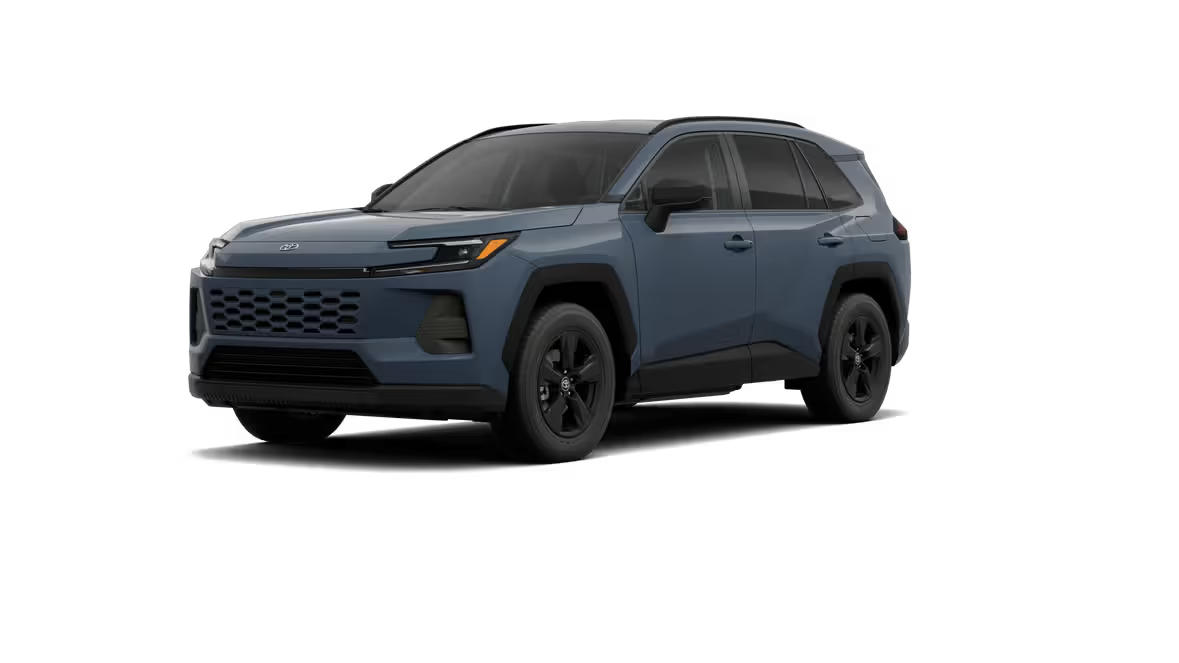
If you’re driving a Camry Hybrid through downtown Tyler or shopping for a used RAV4 Hybrid, you’ve probably wondered just how long that battery pack will hold up. Toyota hybrid batteries are built to handle years of daily use, and with a bit of routine care, most owners never think twice about them until it’s time for a scheduled checkup. Classic Toyota’s service department fields this question often, and the answer comes down to a handful of specific factors.
Toyota designs its hybrid batteries to last the life of the vehicle with proper maintenance, and if one doesn’t outlive its warranty term, it gets replaced. That’s not a specific mileage promise, but the numbers back it up. Independent data supports that. Industry estimates generally put hybrid battery life at 10 years or more and somewhere between 100,000 and 200,000 miles, with the spread depending on driving habits, climate, and maintenance. Most Toyota hybrid owners get well over a decade of dependable use before degradation becomes noticeable enough to matter.
What Affects Your Hybrid Battery’s Lifespan
Several real-world factors shape how long a hybrid battery lasts, which explains why two identical Corolla Hybrids can age differently depending on how and where they’re driven.
Mileage and Age
Every charge and discharge cycle contributes to gradual battery degradation, a normal part of how these packs work over time. Commuter models like the Camry Hybrid and Corolla Hybrid tend to see steadier, lighter-duty cycling, while heavier-use vehicles such as the Highlander Hybrid, RAV4 Hybrid, and Sienna Hybrid often rack up more demanding usage patterns. Neither pattern is inherently harmful, but mileage alone doesn’t tell the whole story.
Climate and Temperature Extremes
Temperature matters more than most owners realize. Kelley Blue Book notes that hybrid batteries perform best between 59 and 95 degrees Fahrenheit, and the further outside that range conditions get, the more strain is placed on the pack. Heat speeds up wear, while cold cuts into charging efficiency. East Texas summers run long and humid, often pushing well past that ideal window, which is one reason parking in the shade or a garage during peak heat genuinely helps.
Driving Habits and Charging Patterns
Smooth, consistent driving is easier on a hybrid battery than frequent hard acceleration and abrupt stops. Nobody drives perfectly, and you don’t need to. These are habits that add up gently over years rather than rules that determine whether a pack survives.
Routine Maintenance
The HV battery has its own cooling system, and keeping it clean is one of the simplest ways to prevent premature deterioration. Toyota’s technical guidance calls for cleaning the cooling system filter every 5,000 miles across hybrid models. Under severe operating conditions, such as extensive fleet or livery use, the HV battery cooling fan may need separate cleaning roughly every 25,000 miles. Blocked cooling air inlets, whether from pet hair, lint, or a stray towel stuffed near the vents, create avoidable stress on the battery.
Toyota Hybrid Battery Warranty Coverage
Model year matters here. Beginning with the 2020 model year, every Toyota hybrid battery carries a 10-year/150,000-mile limited warranty measured from the date of first use, which Toyota describes as the longest hybrid battery warranty in the industry. Hybrids from 2019 and earlier carry the previous term of 8 years or 100,000 miles. Either way, the coverage transfers to every subsequent owner at no cost for whatever time or mileage remains, which is genuinely useful if you’re shopping used.
Separately, Hybrid-Related Component Coverage protects the battery control module, hybrid control module, and inverter with converter for 8 years or 100,000 miles, and the battery may carry longer protection under Emissions Coverage in some cases. Texas generally follows federal, non-CARB terms unless a vehicle was originally sold in a CARB state, so a used hybrid’s history can affect what applies. If you’re not certain what covers your vehicle, bring us the VIN and we’ll confirm it.
How Toyota Hybrid Batteries Work During Everyday Driving
Toyota hybrids are self-charging, meaning they never need to be plugged in. The gas engine drives a generator that keeps the battery charged, while regenerative braking captures energy that would otherwise be lost as heat during braking and routes it back into the battery. Regenerative braking is the hybrid system’s first choice for slowing the vehicle, working quietly in the background on every drive.
On certain models, including the RAV4 Hybrid, this regenerative braking runs continuously and cannot be turned off. The “B” shifter position found in many Toyota hybrids isn’t an extra regen setting; it’s engine braking, useful for controlled descents on long hills. Understanding this system helps explain why a well-maintained battery doesn’t need special charging routines the way a plug-in EV does.
Signs Your Hybrid Battery May Be Losing Performance
Most hybrid batteries decline slowly, so subtle signs are usually your best early warning.
Reduced Fuel Economy
When a battery’s capacity drops, the gas engine works harder to compensate and fuel economy suffers. A hybrid rated around 50 mpg combined might fall to 40 or lower as the pack ages, which is usually the first thing owners notice.
Unusual Battery Charge Level Changes
If your dashboard’s battery icon jumps erratically from full to empty, that can point to uneven charging or discharging among individual cells rather than a smooth, gradual decline. This kind of behavior is one of the clearer signs that a battery is going bad.
Dashboard Warning Lights
A yellow or amber “Check Hybrid System” light signals that the onboard computer has detected an issue with the battery or a related component. This light should prompt a visit to a qualified service department rather than a wait-and-see approach.
A drop in mpg warrants a diagnostic check, an erratic charge display points to a needed hybrid system inspection, and a warning light means it’s time for prompt service. In all three cases, scheduling a service visit sooner rather than later helps keep small issues from growing.
Battery Inspections and Replacement Considerations
For most Toyota owners, battery replacement is rarely needed and often doesn’t come up until well past 100,000 miles. Regular inspections are the best way to catch pack deterioration early, before it affects drivability.
When replacement does become necessary, cost varies widely across the hybrid and EV market, generally falling somewhere between $2,000 and $8,000 depending on make and model, according to Kelley Blue Book. That range isn’t specific to Toyota vehicles, and actual costs depend on the vehicle and parts involved, so it’s best to contact the service department directly for a current, accurate quote rather than relying on a general estimate.
Tips to Help Maintain Your Hybrid System
A few consistent habits go a long way toward supporting hybrid battery health over the years:
-
Avoid letting the battery sit in a deep discharge state for extended periods, especially during long storage.
-
Keep the cooling system filter and air inlet clear of dust and debris.
-
Park in the shade or a garage during Tyler’s hot summer months to help keep the battery within its ideal operating range.
-
Drive the vehicle regularly rather than letting it sit unused for long stretches.
-
Stick to the manufacturer’s recommended maintenance schedule so small issues get caught early.
None of these habits require special effort, but together they support long-term battery health.
Trust Classic Toyota With Your Hybrid Battery Health
Toyota-Trained Service, Genuine Parts
Since 1994, Classic Toyota has served East Texas drivers with a straightforward commitment to quality service, and hybrid battery care is very much part of that. Our technicians are Toyota-trained, with ongoing education that keeps them current on hybrid systems, and they rely on Toyota-specific diagnostic tools and genuine OEM parts for any hybrid battery service or replacement. That includes the 12-volt auxiliary battery, which is a separate component from the high-voltage pack and a common source of confusion when a hybrid won’t start.
Our service center also handles cooling system and battery diagnostics along with everyday maintenance, oil changes, tire rotations, and electrical checks, all of which keep a hybrid system running smoothly overall.
Shopping for a Used Hybrid
If you’re shopping used instead, Toyota Certified Used Hybrids go through a 174-point quality assurance inspection performed by a factory-trained technician, fourteen points more than the standard 160-point Toyota checklist, with those extra checks dedicated specifically to hybrid components.
Certification also brings a 12-month/12,000-mile limited comprehensive warranty from your purchase date, a 7-year/100,000-mile powertrain warranty, 7 years or 100,000 miles of roadside assistance, and a CARFAX Vehicle History Report on every vehicle. The factory hybrid battery coverage carries over on top of all that, measured from the original in-service date rather than when you buy. You’re welcome to browse our certified pre-owned inventory if you’re considering that route.
Get in Touch
Whether you’re noticing early warning signs, curious about your warranty coverage, or simply due for a checkup, don’t hesitate to contact our team at Classic Toyota. We’re glad to answer questions and help keep your hybrid running the way it was designed to for years to come.
0 comment(s) so far on How Long Do Toyota Hybrid Batteries Last?