

How Do I Know When My Toyota Brakes Need To Be Replaced?
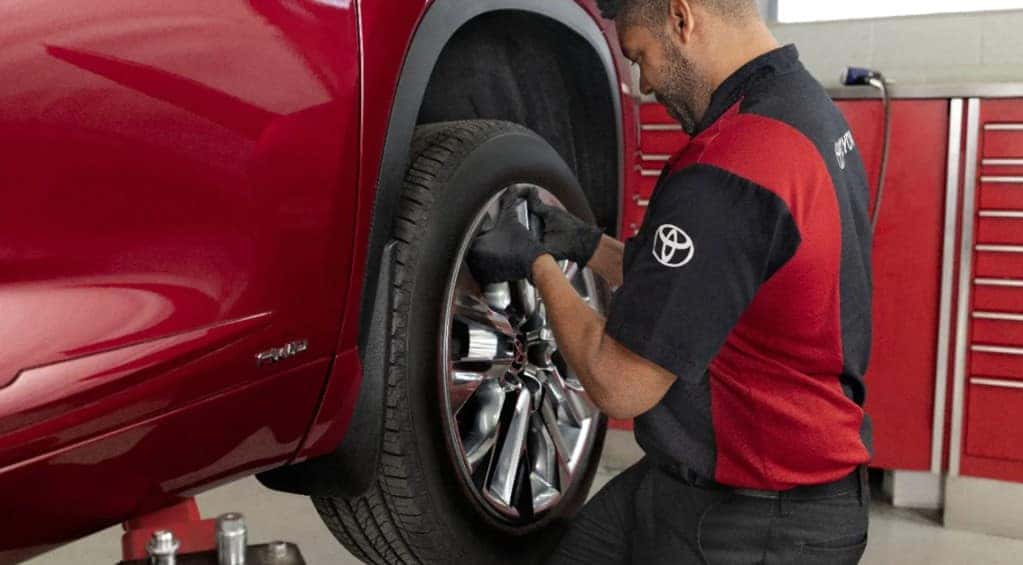
Your Toyota’s brakes are the most important safety system in your vehicle. Recognizing the signs that your brake pads need replacing can mean the difference between a safe stop and a dangerous situation — especially when you’re navigating Tyler’s busy streets during rush hour or taking a weekend drive through East Texas. Recognizing the warning signs of worn brake components helps you stay ahead of potentially costly repairs and keep your family safe. In this guide, our expert team at Classic Toyota of Tyler will explain all that you need to know.
How To Inspect Your Toyota Brake Pads and Rotors
Inspecting the condition of your Toyota’s brakes starts with having the right tools. You’ll need a flashlight, an inspection mirror, a ruler or tape measure, and a car jack with jack stands if you need to remove the wheels. Always start with a completely cooled engine and brake system to avoid burns from hot components. Usually, you can shine your flashlight through the wheel spokes to view the brake pads and rotors without removing the wheels.
New brake pads typically measure between 0.39 and 0.59 inches in thickness; replacement becomes necessary when pads drop below 0.25 inches. Many brake pads include slot indicators that provide a visual reference: when the pad material wears beyond the bottom of these slots, you’re approaching replacement time. For rotor inspection, look for deep grooves, rust rings, blue discoloration from heat stress, and uneven wear patterns.
Front brakes handle approximately 60%-70% of braking force due to weight transfer during braking, which explains why they wear faster than rear brakes. This weight shift during deceleration puts extra demand on front brake components. Brake pads should be replaced every 10,000 to 20,000 miles to prevent excessive wear, while rotors usually last longer and should be replaced every 50,000 to 70,000 miles.
Understanding Toyota Brake Component Life Span
The average brake life span ranges from 25,000 to 65,000 miles, depending on driving habits, local conditions, and brake pad type. Different brake pad materials offer varying life spans and performance characteristics. Organic brake pads are softer and quieter, but they wear out faster, typically lasting between 30,000 and 40,000 miles. Ceramic brake pads cost the most but last the longest, ranging from 50,000 to 70,000 miles and producing less dust.
Your driving environment here in Tyler and East Texas plays a major role in brake wear patterns. City driving, characterized by frequent stops at traffic lights and shopping areas, results in more intensive brake use compared to highway driving. Stop-and-go traffic accelerates brake wear significantly. Heavy loads affect brake performance, too — for every 100 pounds of extra weight, the brakes work harder. If you frequently drive in mountainous terrain or areas requiring continuous downhill braking, expect shorter brake life.
Environmental factors can impact your Toyota’s brake longevity, particularly rust and corrosion during those humid summer months or after winter weather events. Salt and road chemicals used during occasional ice storms cause corrosion, while water and humidity can degrade pad materials over time. Some sets of brake pads may last over 80,000 miles under ideal conditions, but realistic expectations based on local driving conditions help you plan maintenance schedules appropriately. Traditional aftermarket brake pads typically last between 10,000 and 25,000 miles, whereas galvanized brake pads offer an extended life span of 50,000 to 100,000 miles before requiring replacement.
Toyota Brake Warning Signs You Shouldn’t Ignore
A high-pitched squeal when applying your brakes is often the first and most common warning sign. Modern brake pads are designed with wear indicators: small metal tabs that create this noise when the pad material has worn down to a specific point. If squealing progresses to a harsh grinding noise, it indicates that your brake pads have worn completely through, with metal now grinding against metal. Screeching, squealing, or grinding sounds when you apply the brakes typically occur when rust causes the friction material to separate from the painted steel backing plate.
Changes in brake pedal feel provide important clues about your Toyota’s brake system condition. A spongy brake pedal often results from air in brake lines, degraded brake fluid, or brake pad backing plates that are not flat. A hard or stiff brake pedal may indicate a failing brake booster, a blockage in brake lines, or a seized caliper. A pulsating brake pedal during braking usually indicates warped brake rotors from excessive heat or uneven wear.
Dashboard warning lights demand immediate attention when they appear. The red brake system warning light indicates that either your parking brake is applied or there’s a brake system malfunction, requiring you to stop the vehicle safely as soon as possible. An amber ABS warning light signals a potential fault with your ABS that needs diagnostic evaluation. Other warnings include burning smells from hard braking or overheated brake pads, longer stopping distances indicating worn brake pads, and your vehicle pulling to one side during braking due to uneven pad wear or stuck calipers.
Keep Your Toyota Safe With Professional Brake Service
While basic visual inspections help you monitor the condition of your brakes, complex brake system repairs require professional expertise and specialized tools. Professional brake repairs can range from $150 to $300 per axle, while DIY costs for parts can be as low as $50 to $100. However, your brake system’s performance affects your safety and that of others on Tyler’s roads, making professional service the smart choice for peace of mind. Incorrectly performed brake repairs can compromise vehicle safety, and problems with your ABS, master cylinders, or brake lines need professional diagnostic tools and expertise.
Professional brake service offers advantages that DIY repairs can’t match. Specialized tools, including brake fluid bleeder kits, brake caliper tools, and torque wrenches, can be expensive for infrequent use. However, professional shops have these tools readily available along with the experience to use them properly. Regular brake maintenance proves both cost-effective and safe — addressing brake issues early prevents more expensive repairs and helps maintain optimal vehicle safety.
Visit Classic Toyota of Tyler To Schedule an Inspection
Don’t wait until warning signs become safety hazards. If you’ve noticed any of the brake warning signs discussed in this guide, or if your Toyota is approaching the brake pad replacement mileage intervals, schedule an inspection with our experts. Our factory-trained technicians at Classic Toyota of Tyler use genuine Toyota parts and have the specialized knowledge to diagnose and service your vehicle’s brake system properly. Contact us to schedule your brake inspection and keep your Toyota stopping safely on Tyler’s roads.
0 comment(s) so far on How Do I Know When My Toyota Brakes Need To Be Replaced?