

2026 Toyota Prius / Prius Prime: Is the Hybrid Still Worth It in East Texas?
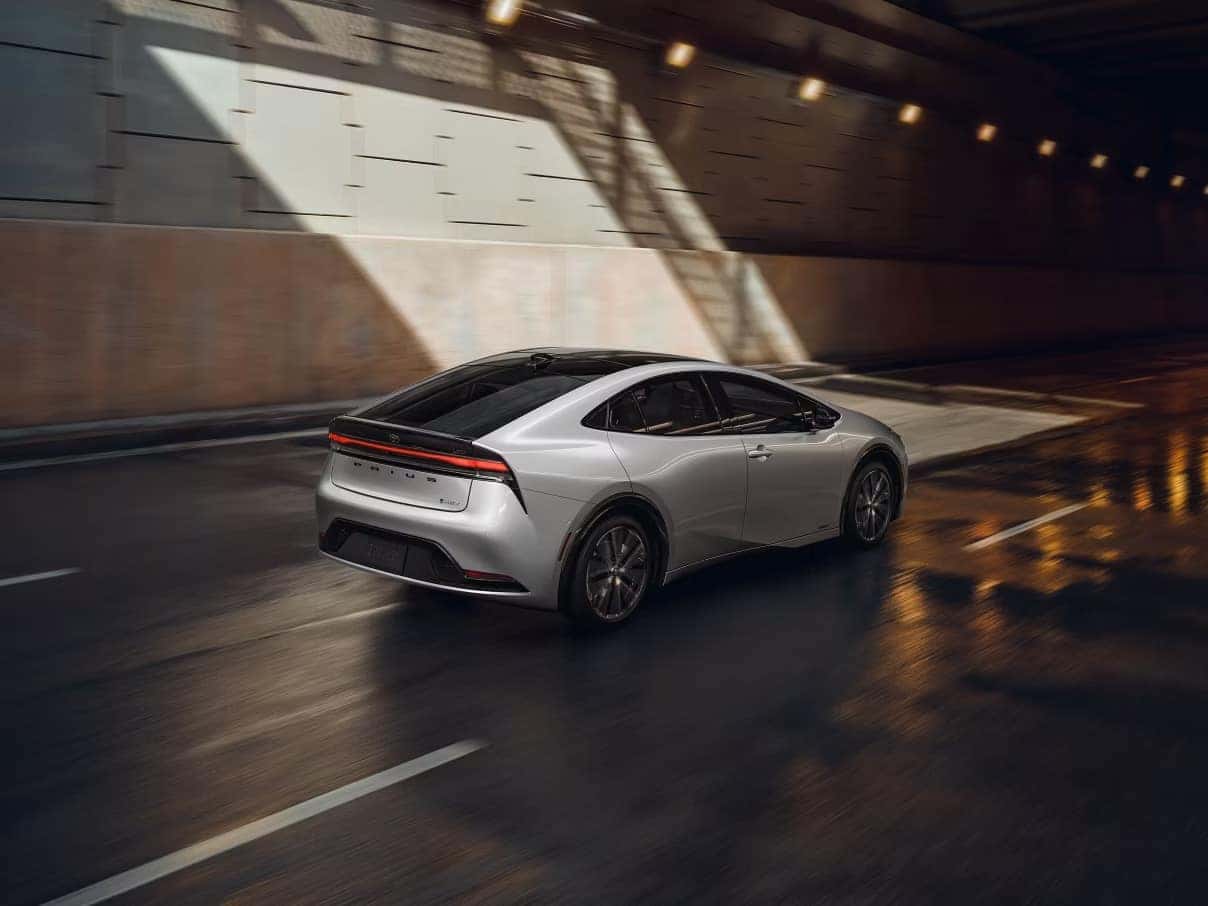
Image provided by Toyota
Hybrid vehicles have come a long way from being eco-friendly curiosities to practical machines that actually make sense for Texas families. The 2026 Toyota Prius and Prius Prime, now called the Prius Plug-in Hybrid, show up with dramatic styling changes and better performance that flip the script on what hybrid driving used to mean. Living in East Texas, you’re probably wondering if these new models can handle those long stretches between Tyler and Dallas, survive brutal summer heat, and actually save you real money on gas.
At Classic Toyota, we get these local concerns. Here’s what the 2026 Prius models in our Tyler showroom offer and whether they’ll work for your East Texas lifestyle.
What Makes the 2026 Toyota Prius Different
The 2026 Prius dumps that weird wedge shape that made earlier versions look like they belonged in a sci-fi movie. Toyota completely reworked the car with a lower, wider stance that cuts through air better and boosts fuel economy. This isn’t just about looks (that sleeker body actually delivers real efficiency improvements).
Performance feels much better too. The updated hybrid system gives you quicker acceleration and sharper handling. The 2026 Prius hits 0-60 mph in about 7 seconds, which fixes those old complaints about feeling like you’re driving in slow motion when merging onto highways. The revised suspension handles both smooth interstates and those rough farm-to-market roads across East Texas without beating you up.
Inside, better materials and a redesigned dash center around a bigger touchscreen. The tech includes improved phone connectivity, climate controls that make sense, and driver-assistance features that cut down on highway fatigue. These changes make the Prius competitive for buyers who want efficiency but refuse to give up modern conveniences.
2026 Prius vs. Prius Prime: Choosing Your Powertrain
Picking between the standard hybrid and plug-in hybrid Prius comes down to how you actually drive and whether you can charge easily. Both use Toyota’s reliable hybrid tech but work differently depending on your real-world usage.
Standard Prius Hybrid Performance and Efficiency
The standard 2026 Prius works like any traditional hybrid, mixing gas and electric power without needing you to plug anything in. The system charges itself through regenerative braking and the gas engine, so you just fill the tank and go. This setup delivers impressive fuel economy: 57 mpg combined for the LE front-wheel drive model (52 mpg for XLE, Limited, and Nightshade FWD trims) and up to 54 mpg for the LE all-wheel drive version (49 mpg for other AWD trims).
Toyota tuned the system to run on electric power at lower speeds, which makes it especially efficient around town. The switch between electric and gas power happens so smoothly you barely notice it, unlike earlier systems that felt jerky and weird. When you need highway passing power, the system’s 194 net combined horsepower (196 hp for AWD) delivers immediate, natural acceleration.
The lighter construction helps with handling too. You’ll feel better steering response and improved stability around corners compared to older models. The car stays planted on the road, which builds confidence during highway drives and makes daily driving more enjoyable.
Prius Plug-in Hybrid Capability and Electric Range
The 2026 Prius Plug-in Hybrid adds plug-in ability with a 13.6 kWh battery that charges from a regular household outlet or public charging station. This bigger battery gives you 44 miles of all-electric range in SE trim (39 miles in other trims), which covers most commutes without burning any gas.
After the battery runs down, the Plug-in Hybrid automatically switches to hybrid mode and keeps delivering 52 mpg combined in the SE trim (48 mpg in other trims). This dual operation gives you flexibility that pure electric vehicles can’t match, especially for longer trips where charging stations are still sparse between East Texas towns.
Home charging overnight using a standard 120-volt outlet takes several hours but doesn’t need special equipment. A 240-volt Level 2 charger cuts charging time way down. The regenerative braking captures energy when you slow down, stretching your electric range during normal driving (this works particularly well with East Texas traffic patterns).
Real-World Fuel Economy on East Texas Roads
We’ve watched how these hybrids perform on roads around Tyler, Longview, and Marshall. Highway driving between cities typically gives you slightly lower fuel economy than EPA numbers suggest, since sustained high speeds reduce the benefits from the electric motor. Both Prius models still deliver excellent highway efficiency, with that aerodynamic design cutting wind resistance at 70+ mph.
City driving shows where the Prius really shines. The hybrid system excels in stop-and-go traffic, using the electric motor for acceleration and recovering energy through regenerative braking. This advantage becomes really obvious during commutes through Tyler or trips to local shopping areas.
Texas summers do affect hybrid efficiency when the AC runs constantly. The climate control draws battery power, which cuts electric range in the Plug-in Hybrid. Even with this impact, both models maintain strong fuel economy year-round because the hybrid system simply operates more efficiently than regular vehicles.
Charging Infrastructure and Hybrid Practicality in East Texas
Charging infrastructure in East Texas keeps expanding, with stations popping up at shopping centers and along major highways. Tyler and the surrounding communities have added locations that make plug-in hybrid ownership more convenient. The network isn’t as dense as major metro areas, but it’s adequate for typical local driving.
The Prius Plug-in Hybrid’s design means you never depend on finding a charging station. Without charging access, the car just runs as a regular hybrid with excellent fuel economy. This flexibility eliminates the range anxiety that worries potential electric vehicle buyers.
Home charging provides the most practical solution for Plug-in Hybrid owners. Starting each day with a full battery lets you handle local driving on electricity alone. We can help you understand charging equipment options and installation requirements if you’re considering the plug-in version.
The standard Prius eliminates charging considerations completely while delivering exceptional efficiency. You never think about plugging in or planning charging stops. For many East Texas drivers who value simplicity, this straightforward approach makes the standard hybrid more appealing.
Total Cost of Ownership for East Texas Buyers
Real vehicle ownership costs go beyond the sticker price to include fuel expenses, maintenance, insurance, and resale value. The Prius becomes more attractive the longer you own it and the more miles you drive.
Fuel Savings and Long-Term Value
Fuel savings represent the most obvious hybrid benefit. At 15,000 annual miles, you’ll save roughly $1,200 yearly compared to a 25-mpg sedan (over $6,000 across five years). The Plug-in Hybrid qualifies for federal tax credits that reduce your effective purchase price, though Prius assembly in Japan affects eligibility. Texas doesn’t offer state-level hybrid incentives.
Electricity costs less per mile than gasoline, making the Plug-in Hybrid economical for drivers who charge regularly. If your commute falls within electric range, you’ll dramatically cut fuel expenses. Even accounting for electricity costs, battery operation saves money compared to gasoline.
Hybrid vehicles experience less brake wear because regenerative braking handles most stopping force. Brake pads and rotors last much longer than conventional vehicles, reducing maintenance costs. The hybrid powertrain also puts less stress on components during city driving, potentially extending mechanical part life.
Reliability, Safety, and Resale Considerations
Toyota’s Prius line represents the brand’s dependability reputation perfectly. The hybrid powertrain has proven itself over millions of real-world miles, showing exceptional durability and minimal maintenance needs. Toyota backs the 2026 models with comprehensive warranty coverage: three years/36,000 miles basic, five years/60,000 miles powertrain, eight years/100,000 miles on hybrid-related components (battery control module, hybrid control module, and inverter with converter), and ten years/150,000 miles on the hybrid battery.
Safety features include Toyota’s full driver-assistance suite with automatic emergency braking, lane-keeping assistance, adaptive cruise control, and blind-spot monitoring as standard equipment. These systems help prevent accidents and protect occupants during collisions.
Resale value stays strong compared to most vehicles in its class. Toyota’s reliability reputation, proven fuel efficiency, and growing hybrid interest support healthy used-car prices. You’ll likely recover a higher percentage of your original investment than with many conventional cars.
How the Prius Handles Texas Heat and Long Highway Drives
Texas summers test every vehicle’s thermal management systems. The 2026 Prius handles extreme conditions through engineering improvements designed for efficient operation in high heat. The hybrid system includes sophisticated thermal management that maintains optimal component temperatures during long highway drives in scorching weather.
The air conditioning runs partially on electric power, providing cooling even when the gas engine isn’t running. This means the cabin stays comfortable during brief stops without idling the engine, saving fuel while maintaining comfort. The system also pre-cools the cabin efficiently, reducing initial power drain on hot afternoons.
Long highway drives reveal the Prius’s road-trip capability. The refined suspension absorbs bumps and provides stable handling at highway speeds. Seats offer good support for extended drives, and the cabin stays quiet thanks to improved sound insulation. The fuel tank capacity and excellent highway efficiency mean covering substantial distances between fill-ups (reducing stops on trips to Houston or beyond).
The hybrid powertrain operates efficiently at sustained highway speeds, though the fuel economy advantage shrinks compared to city driving. The gas engine handles most highway cruising work, with electric motor assist during acceleration. This division keeps the system running efficiently while providing adequate passing power.
Is the 2026 Prius Worth It in East Texas? The Verdict
Both the 2026 Toyota Prius and Prius Plug-in Hybrid offer solid value for East Texas buyers who prioritize fuel efficiency and long-term savings. The standard hybrid delivers exceptional fuel economy without changing your refueling routine, making it the straightforward choice for buyers wanting efficiency without complications. The improved styling, better performance, and refined driving experience make it far more appealing than previous generations.
The Prius Plug-in Hybrid makes sense for buyers who can charge regularly and want to maximize electric driving. If your routine includes a commute within electric range and you have home or work charging access, the plug-in capability provides substantial fuel savings. The flexibility to operate as a regular hybrid eliminates range concerns that make pure electric vehicles impractical for some East Texas driving patterns.
Your decision should reflect actual driving habits rather than what you think you might do. Be honest about whether you’ll consistently plug in the Hybrid or whether the standard hybrid’s simplicity better matches your lifestyle. Both vehicles deliver genuine benefits for drivers wanting to reduce fuel costs over the long term.
Find Your Prius at Classic Toyota in Tyler
At Classic Toyota in Tyler, we can help you compare both Prius models and figure out which best fits your needs. Our experienced team understands local driving conditions and can provide realistic information about fuel economy, charging options, and ownership costs. Whether you choose the standard Prius or Plug-in Hybrid, you’re investing in proven Toyota reliability backed by comprehensive service support from our certified technicians.
Contact our team to schedule a test drive and experience the difference yourself. We’re here to help you make the right decision for your East Texas driving needs.
0 comment(s) so far on 2026 Toyota Prius / Prius Prime: Is the Hybrid Still Worth It in East Texas?