

2026 RAV4 Hybrid vs. RAV4 Prime: Pros & Cons for Texas Commuters
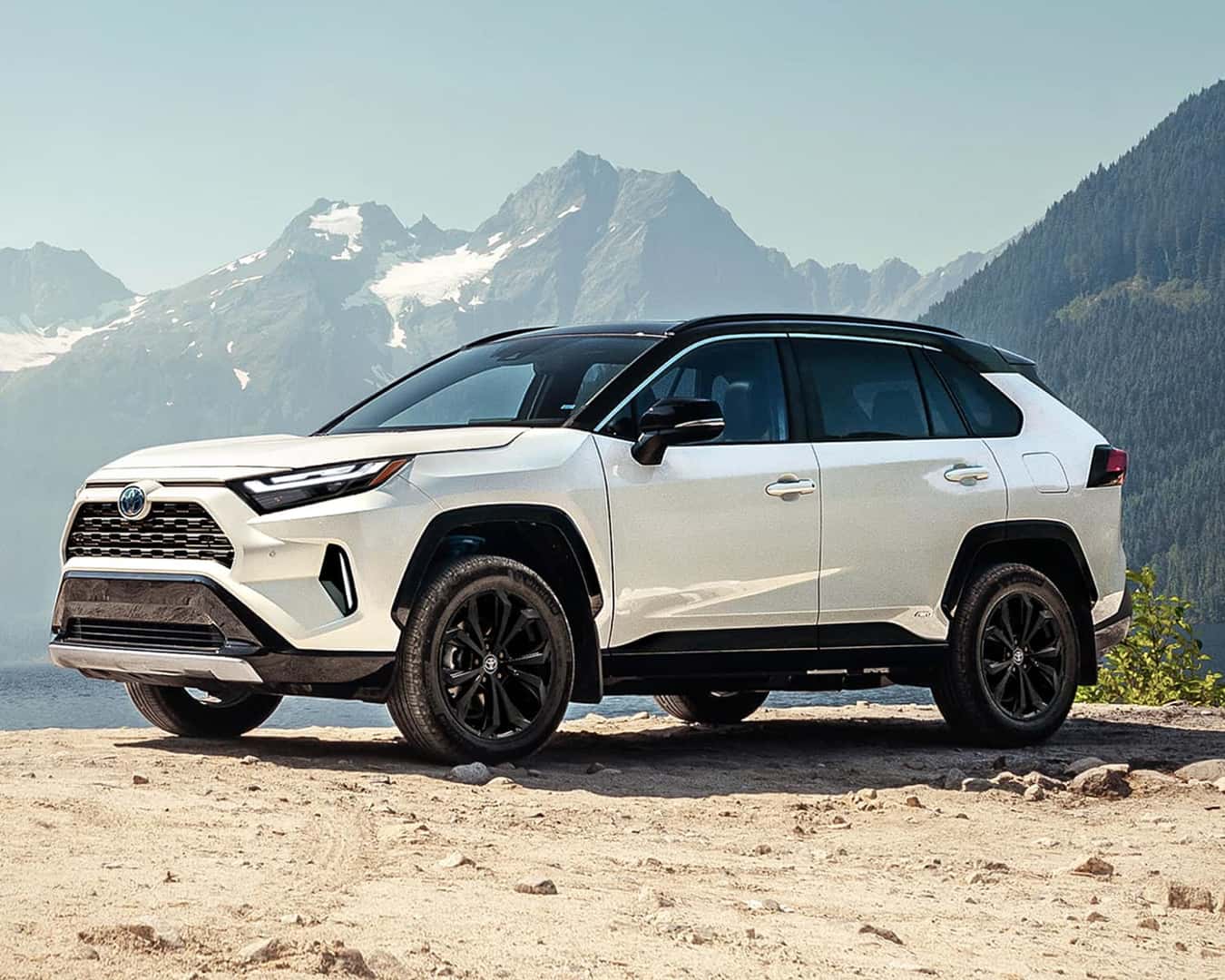
Choosing between the 2026 RAV4 Hybrid and the RAV4 Plug-in Hybrid (previously marketed as the RAV4 Prime) is about more than picking a fuel-efficient SUV. For East Texas commuters, it comes down to how you actually drive, where you park, and how much you’re willing to spend upfront to save money over time.
At Classic Toyota, we’ve helped plenty of Tyler, TX-area drivers work through this exact decision, and what we’ve seen is that different daily routines genuinely point to different answers. Take a look at our current RAV4 inventory as you read through the comparison below.
These two SUVs share a nameplate and a lot of DNA, but they take meaningfully different approaches to efficiency. One is a self-charging hybrid that never needs a plug. The other is a plug-in hybrid that can run on electricity alone for most daily trips. Depending on your commute length, where you park, and your access to charging, one will serve you noticeably better than the other.
How Each Powertrain Works and Why It Matters on Texas Roads
RAV4 Hybrid: Self-Charging Efficiency
Toyota’s RAV4 Hybrid pairs a 2.5-liter four-cylinder engine with two electric motor-generators and a lithium-ion battery. Toyota rates the system at 226 horsepower in FWD configuration and 236 horsepower with AWD. During braking and deceleration, it captures energy and uses it to assist the engine or drive the wheels at lower speeds.
You never plug it in, never track charge levels, and never need to rethink your routine. The standard AWD system, powered by a rear electric motor, handles East Texas rainstorms and gravel roads without any fuss.
That seamless operation suits Tyler-area drivers who want better fuel economy without changing how they use their vehicle. Whether you’re cruising a long stretch of US-69 or running a suburban school loop, the Hybrid just works.
RAV4 Plug-in Hybrid: Plug-In Power That Can Eliminate Most Gas Fill-Ups
The RAV4 Plug-in Hybrid carries a significantly larger lithium-ion battery that charges from an external power source. In daily practice, it runs on electricity alone for a meaningful range, then switches to hybrid mode once that charge is depleted. Toyota rates the combined system at 324 horsepower, and it shows: the RAV4 Plug-in Hybrid hits 60 mph in roughly 5.4 seconds.
For drivers whose round-trip commute falls within the electric range, every mile of that drive can happen without burning a drop of gas. The longer the commute and the more consistently the RAV4 Plug-in Hybrid gets charged, the more clearly those advantages add up.
Fuel Efficiency, Electric Range, and the Texas Heat Factor
The Numbers Texas Drivers Should Focus On
The 2026 RAV4 Hybrid earns a manufacturer-estimated 44 MPG combined in FWD configuration. AWD combined ratings vary by trim, from 39 MPG on the Woodland to 44 MPG on SE, XSE, and Limited configurations. Those figures hold up well on Texas highways where steady speeds favor the hybrid system, and regenerative braking keeps things efficient in stop-and-go traffic.
The RAV4 Plug-in Hybrid operates on a different logic entirely. In hybrid mode, it returns a manufacturer-estimated 41 MPG combined on SE and XSE grades, 38 MPG combined on the Woodland, and 37 MPG combined on the GR SPORT.
When charged, it delivers up to 102 MPGe. Electric range varies by trim: the SE and XSE are rated at a manufacturer-estimated 52 miles, the Woodland at 49 miles, and the GR SPORT at 48 miles. For a commuter driving 20 to 25 miles each way on US-69 or through Tyler’s suburbs, any of those ranges can cover an entire round trip on electricity alone, bringing daily fuel costs close to zero.
To put it in rough terms: a driver logging around 15,000 miles per year in a conventional gasoline SUV could spend significantly more on fuel annually than either a Hybrid or Plug-in Hybrid owner. At current Texas gas prices and electricity rates, the RAV4 Plug-in Hybrid’s fuel savings potential is real for consistent home-chargers. That said, actual results vary based on driving habits and your utility rates.
How Texas Summer Heat Affects Battery Performance
Texas summers are a genuine variable here. Extreme heat can reduce battery capacity and efficiency over time, though Toyota’s thermal management systems are designed to limit that impact.
The RAV4 Plug-in Hybrid’s sixth-generation PHEV system uses active thermal management to preserve performance in triple-digit temperatures. The RAV4 Hybrid’s lithium-ion battery is paired with Toyota’s fifth-generation hybrid system, which is designed to limit heat-related degradation under normal driving conditions, and faces less sustained battery demand than the Plug-in Hybrid’s larger PHEV pack. Neither vehicle struggles in Texas heat, but EV range on the Plug-in Hybrid may dip slightly on the hottest days as the system works to protect battery health. Worth knowing, not worrying about.
Cost of Ownership and Texas Incentives
What to Expect on the Savings Side
The Hybrid costs less upfront. The RAV4 Plug-in Hybrid’s higher purchase price can be offset over time by fuel savings, but that math only works out if you’re charging regularly. The longer you own the RAV4 Plug-in Hybrid and the more consistently you plug in, the faster that gap closes.
For commuters mostly staying within the Plug-in Hybrid 52-mile electric range, monthly gasoline spending could drop dramatically. The Hybrid, by contrast, delivers consistent savings without requiring any infrastructure investment at all.
Incentives Available to Texas Buyers
The federal Clean Vehicle Tax Credit expired September 30, 2025 and is no longer available for new vehicle purchases. A few Texas-specific programs may still offer meaningful savings for RAV4 Plug-in Hybrid buyers:
- The Light-Duty Motor Vehicle Purchase or Lease Incentive Program (LDPLIP) offers grants of up to $2,500 for new plug-in hybrids, subject to eligibility and funding availability.
- The Alternative Fuel Vehicle Refueling Property Credit may apply to home EV charging equipment installed and placed in service before July 1, 2026, subject to eligibility requirements. Consult a tax advisor for the current credit amount and conditions.
- Some Texas utility providers offer Level 2 charger rebates for qualifying customers
Home charger installation costs vary depending on your setup and local electrician rates in the Tyler area. Treat these as estimates and talk to a tax advisor before making any purchasing decisions based on incentive eligibility.
Charging in Texas: Is the RAV4 Plug-in Hybrid Practical Where You Live?
The RAV4 Plug-in Hybrid’s advantages only fully show up with regular charging access. Urban hubs like Houston, Dallas, and Austin have expanding public charger networks at workplaces, malls, and apartment complexes. East Texas is a different picture. Charger access outside Tyler’s city limits is more limited, and rural or highway-heavy routes may not pass a single public charging station.
For Tyler-area homeowners with a garage or dedicated parking, Level 2 home charging brings the Plug-in Hybrid from 10% to 80% in approximately four hours on SE and GR SPORT models (7kW onboard charger). XSE and Woodland models come with an 11kW onboard charger and DC fast charging capability, reaching 10% to 80% in approximately 30 minutes under ideal conditions. The RAV4 Hybrid requires no charging infrastructure whatsoever, which is a real practical advantage for customers without garage access or those living in rural parts of East Texas.
If you’re unsure whether your home or parking situation supports regular charging, explore available RAV4 models and talk through your commute with our team. We know this region well enough to give you honest guidance.
Which 2026 RAV4 Is Right for Your Texas Commute?
RAV4 Hybrid Fits Best If:
- You don’t have consistent access to home or workplace charging
- Your commute involves long rural or highway stretches beyond the RAV4 Plug-in Hybrid’s electric range
- You want reliable fuel efficiency without any infrastructure changes
- You tow regularly: the RAV4 Hybrid is rated for up to 3,500 lbs on AWD XLE, Woodland, SE, XSE, and Limited configurations. All FWD models and the AWD LE trim are rated at 1,750 lbs, so drivetrain and trim choice matters if towing is part of your plan
RAV4 Plug-in Hybrid Fits Best If:
- Your daily round trip is under 52 miles and you can charge at home
- You want to cut gasoline spending on routine commutes
- You’d actually use the extra performance in day-to-day driving
- You want to qualify for available Texas incentive programs before they expire
Frequently Asked Questions: RAV4 Hybrid vs. RAV4 Plug-in Hybrid in Texas
Is the RAV4 Plug-in Hybrid worth it in Texas? For Tyler-area drivers with home charging access and a daily commute under 48 to 52 miles, depending on trim, yes. The Plug-in Hybrid’s manufacturer-estimated electric range covers most local round trips on electricity alone, with SE and XSE rated at 52 miles, Woodland at 49 miles, and GR SPORT at 48 miles. Texas incentive programs like LDPLIP can offset some of the higher upfront cost.
What’s better for Texas heat: hybrid or plug-in hybrid? Both handle Texas summers well. The RAV4 Hybrid’s battery has a proven track record in hot climates and is less susceptible to sustained heat degradation. The RAV4 Plug-in Hybrid’s active thermal management system helps protect its larger lithium-ion battery in extreme heat. EV range on the Plug-in Hybrid may vary slightly on the hottest days, but neither model has known weaknesses specific to Texas conditions.
What is the RAV4 Plug-in Hybrid charging time for Texas commuters? With a Level 2 home charger, the RAV4 Plug-in Hybrid charges from 10% to 80% in approximately four hours on SE and GR SPORT models (7kW charger) or in about 30 minutes with DC fast charging on XSE and Woodland models (11kW charger). This fits naturally into any routine where you can plug in before bed. A standard 120-volt household outlet will also charge the battery, though it takes longer. For most commuters with a dedicated parking space, overnight charging is genuinely simple.
How does towing compare between the Hybrid and Plug-in Hybrid in Texas? The RAV4 Hybrid with AWD is rated to tow up to 3,500 lbs on XLE, Woodland, SE, XSE, and Limited configurations, making it capable for hauling a trailer, a boat, or equipment. All FWD Hybrid models and the AWD LE trim are rated at 1,750 lbs, so if towing is a regular part of your East Texas routine, confirming your trim and drivetrain combination with our team before you buy is worth the extra few minutes. The RAV4 Plug-in Hybrid’s towing capacity should be confirmed with our team, as specifications vary by trim. If towing is a regular part of your life in East Texas, the Hybrid’s advantage here is worth taking seriously.
Find Your 2026 RAV4 at Classic Toyota of Tyler, TX
Explore Your Options
Both the RAV4 Hybrid and the RAV4 Plug-in Hybrid are genuinely strong choices for Texas commuters. The right one depends on your daily mileage, your charging access, and how you weigh upfront cost against long-term fuel savings. After working with East Texas drivers for years, the consistent truth is that the best SUV is the one that fits your actual life, not just the spec sheet.
Take the Next Step
Our team at Classic Toyota of Tyler is ready to walk you through both models, talk through your specific commute, and help you make a decision you’ll feel good about. Contact our team to schedule a test drive or ask anything you didn’t find here. We’re happy to help you find the right fit.
0 comment(s) so far on 2026 RAV4 Hybrid vs. RAV4 Prime: Pros & Cons for Texas Commuters