

2026 Corolla vs. 2026 Corolla Cross vs. 2026 C-HR: Which Compact SUV/Sedan Fits Daily Driving?
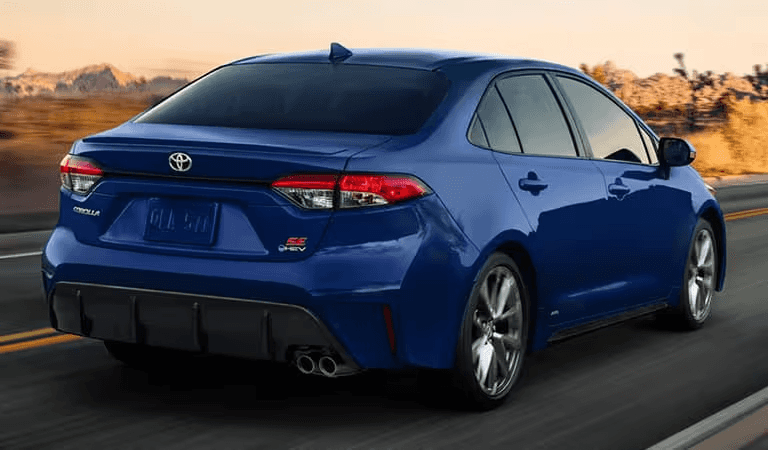
At Classic Toyota, we carry all three of these 2026 models and help Tyler, TX drivers find the one that fits their life. Each answers the same core question differently: what does smart daily transportation actually look like for you? If you’re focused on fuel savings during your commute, you’ll land somewhere different than someone who needs hauling room for a family, or a buyer who’s ready to go fully electric. Browse our current new vehicle inventory to see what’s available right now.
On paper, these three look similar. All compact. All Toyota-reliable. All loaded with modern technology. But dig into the details and the differences are real. Powertrain and ownership costs tell one story; cargo room and driving character tell another. This breakdown covers what actually separates them so you can make a clear, confident decision.
2026 Toyota Corolla: The Efficient Sedan Built for Daily Commuting
The 2026 Corolla is a compact sedan that does what most of us actually need every day: city streets, highway cruising, and the occasional longer trip. Its compact footprint makes urban parking and tight lane changes easy, while the well-tuned suspension handles roads that have seen better days. Five passengers fit comfortably inside, and the driver-facing layout keeps everything within natural reach.
On the gas side, the Corolla LE delivers EPA-estimated figures of 32 mpg city, 41 mpg highway, and 35 mpg combined. Other trims range from 31 to 34 mpg combined. Step up to the hybrid and the numbers shift significantly: the Hybrid LE and XLE with FWD return 53 mpg city, 46 mpg highway, and 50 mpg combined. For a Tyler commuter averaging around 12,000 miles per year, that efficiency gap translates to meaningful savings at the pump every single week.
Wireless Apple CarPlay and Android Auto come standard on every trim, with an 8-inch touchscreen as the baseline and a 10.5-inch display available on higher configurations. Toyota Safety Sense 3.0 is included across the entire lineup. The gas version is FWD; the hybrid offers FWD standard with AWD available. You can explore the 2026 Corolla on our lot to review trim availability and current stock.
2026 Toyota Corolla Cross: Elevated Versatility for Everyday Adventures
The Corolla Cross takes everything practical about the Corolla and lifts it into a compact crossover body. The higher ride height gives drivers a better view of the road and noticeably easier entry and exit, a small detail that adds up quickly over daily use. Cargo volume is larger than the Corolla’s trunk, and the available all-wheel drive gives drivers added confidence when East Texas weather turns.
On fuel economy, the gas-powered Corolla Cross returns 32 mpg combined with FWD and 30 mpg combined with AWD. The hybrid variant, which comes standard with AWD, delivers 42 mpg combined. That’s a real efficiency advantage over a standard crossover while keeping all-weather capability intact.
Trim levels scale naturally from the base configuration through well-equipped upper packages. The Corolla Cross hits a sweet spot for buyers who want SUV usability in a manageable, fuel-conscious package without stepping up to something larger. Touchscreen options run up to 10.5 inches, and Toyota Safety Sense 3.0 is standard throughout.
2026 Toyota C-HR: All-New and All-Electric for 2026
The 2026 C-HR is the most dramatic departure of the three. After a hiatus from the U.S. market, it returns as a full battery-electric vehicle with dual electric motors and standard AWD. This is a new vehicle built for a different kind of buyer.
Visually, it makes a statement. The C-HR’s coupe-like roofline gives it a profile that stands apart from traditional crossovers, and the available two-tone color options reinforce the distinctive character Toyota designed into it. It looks intentional, which matters to buyers who want their daily driver to reflect their personality.
Under that styling sits a powertrain rated at 338 combined horsepower, with a 0-60 mph time of 4.9 seconds. EPA-estimated range is 287 miles on the SE trim with 18-inch wheels and 273 miles on the XSE with 20-inch wheels. For the average daily commute of 30 to 40 miles round trip, a single charge covers an entire work week with significant range to spare.
The interior reflects the C-HR’s technology-forward approach. A 14-inch touchscreen is standard, paired with a fully digital gauge cluster and dual wireless chargers. The NACS charging port gives C-HR owners access to the Tesla Supercharger network, one of the most convenient charging infrastructures available. Cargo space behind the rear seats reaches up to 25.3 cubic feet, and Toyota Safety Sense 3.0 is standard on both the SE and XSE trims.
Head-to-Head Comparison: Performance, Space, Technology, and Safety
Powertrain, Fuel Efficiency, and EV Range
The Corolla offers the most established powertrain choice, with strong hybrid fuel economy that reduces weekly fuel spending significantly compared to a standard gas vehicle. At up to 50 mpg combined in hybrid configuration, it’s one of the most efficient sedans in its class.
The Corolla Cross bridges traditional and electrified driving. Its AWD hybrid at 42 mpg combined is impressive for a crossover with all-weather capability. Buyers who want flexibility between gas and hybrid have real options here without any compromise on utility.
The C-HR eliminates fuel costs entirely. Its 287-mile range is more than enough for daily driving in and around Tyler, TX, and the NACS charging access makes longer trips practical. For urban and suburban drivers with predictable patterns, switching from weekly fill-ups to overnight charging cuts both cost and the time spent at gas stations.
Interior Space, Cargo Volume, and Ride Height
All three models seat five passengers. The Corolla sits lowest of the three, which contributes to its sedan-like driving feel but limits cargo flexibility. The Corolla Cross has the most versatile cargo area of the group, with a higher ride height that adds both storage volume and easier loading and unloading for everyday errands or family use.
The C-HR sits higher than the Corolla and offers up to 25.3 cubic feet of cargo space, which works well for one or two regular occupants. When cargo volume is the deciding factor, the Corolla Cross leads. When the priority is an efficient, well-appointed space for a couple of daily commuters, the C-HR holds its own.
Infotainment, Connectivity, and Toyota Safety Sense
All three models include Toyota Safety Sense 3.0 standard, covering pre-collision warning with automatic braking, lane departure alert, and adaptive cruise control with automatic high beams. These features are standard regardless of trim level across every model in this comparison.
On infotainment, the Corolla and Corolla Cross both offer wireless Apple CarPlay and Android Auto, with touchscreens up to 10.5 inches. The C-HR steps up with a standard 14-inch touchscreen, a fully digital gauge cluster, and dual wireless chargers built in. If a technology-forward interior is a priority, the C-HR leads on that front. If you want familiar, practical connectivity without a steep learning curve, the Corolla and Corolla Cross deliver everything most drivers need.
Contact our team at Classic Toyota to schedule a test drive and experience all three firsthand before making your decision.
Which One Should You Choose? A Guide by Buyer Type
Commuters and Efficiency-First Buyers
If your goal is the lowest possible ownership cost with reliable, comfortable daily transportation, the 2026 Corolla is your vehicle. The hybrid trims deliver up to 50 mpg combined, which at current fuel prices represents real weekly savings for anyone commuting regularly. Its lower starting price, compact footprint, and decades-deep reliability record make it the right pick for first-time buyers or anyone focused on minimizing monthly transportation expenses.
Families, Cargo Haulers, and All-Weather Drivers
The Corolla Cross earns this recommendation clearly. The additional cargo room, elevated ride height, and AWD hybrid option make it significantly more functional for family routines or anyone hauling bulky items regularly. Loading gear for a weekend trip, running school pickups, or wanting AWD confidence during a rainy East Texas season are all situations where the Corolla Cross earns its place without requiring a step up to something larger and less efficient.
Urban Drivers, Style Seekers, and EV-Ready Shoppers
The C-HR is built for drivers who are ready to go electric and want a vehicle that reflects that decision with real conviction. The 338-horsepower powertrain and 4.9-second 0-60 mph time deliver performance that feels nothing like a compromise. The coupe-like roofline and standard 14-inch display set it apart visually; the two-tone color options reinforce it. If you’re charging at home overnight and driving a predictable daily route, the C-HR eliminates fuel costs entirely while offering one of the more engaging drives in Toyota’s compact lineup.
Schedule a Test Drive at Classic Toyota in Tyler, TX
Reading about these vehicles is a solid starting point, but the real difference becomes obvious behind the wheel. We’re ready to walk you through every trim and feature across all three models.
We also offer flexible financing options and a full-service service department to support you well beyond the sale. Whether this comparison has you ready to commit or still weighing your options, our team is here to help you leave with confidence. Reach out to us or stop by to get started.
0 comment(s) so far on 2026 Corolla vs. 2026 Corolla Cross vs. 2026 C-HR: Which Compact SUV/Sedan Fits Daily Driving?